



Patagonia
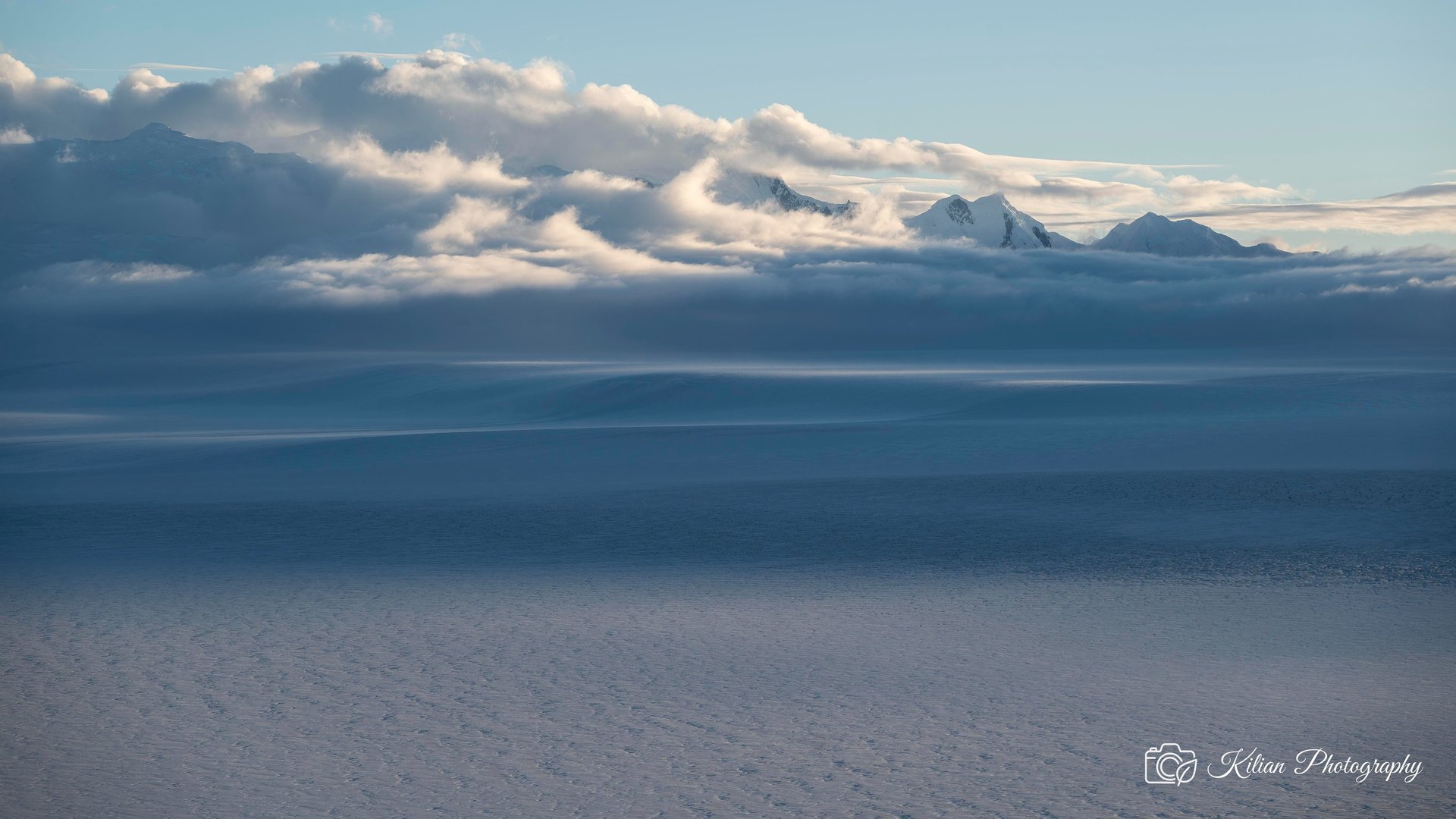
Situated on the far south of the South America, Patagonia is a region where two oceans meet: The pacific ocean on the west side, and the atlantic ocean on the east, separated by the Andes. It is a region of wind and water. Here, the hot air from the equator and the evaporation from the pacific ocean meets the cold air from Antartica creating strong rainfalls and western winds all year round. Because of the Andes, this humid air condenses into clouds to rise above the mountain range generating massive snow and rainfall. At high elevations, the snow accumulates in the mountain range, slowly turning into ice. Ice fields are born. At lower altitudes, forests follow thanks to the rain.
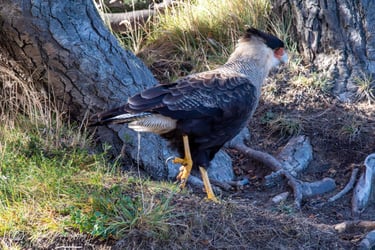
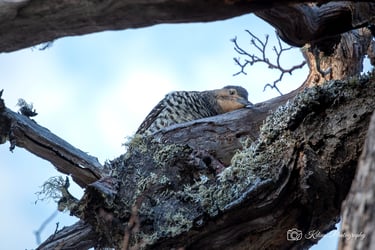
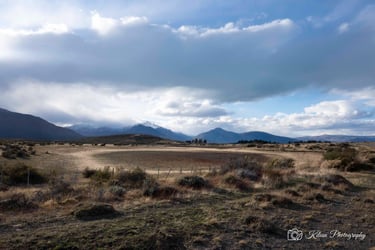
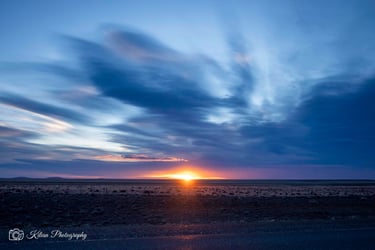
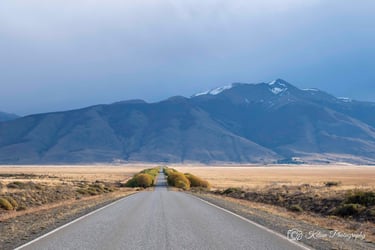
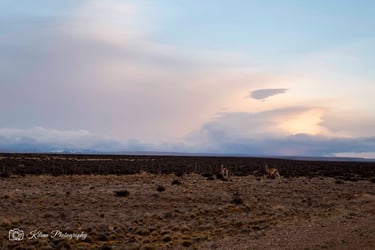
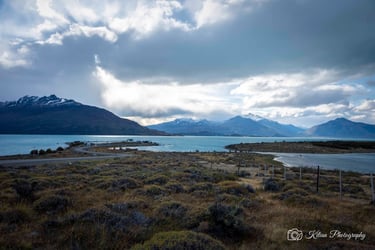
Passing the Andes, the intense, dry westerly wind moves forward into the open plains of Patagonia creating gusts (or ghost winds) up to 120 km/h. As the wind is dry and rainfall scarce, there are only small bushes in the plains. Those bushes are eaten by the most common herbivore there: the guanaco. And who says herbivore says predator. And what a better predator than the puma in those plains?
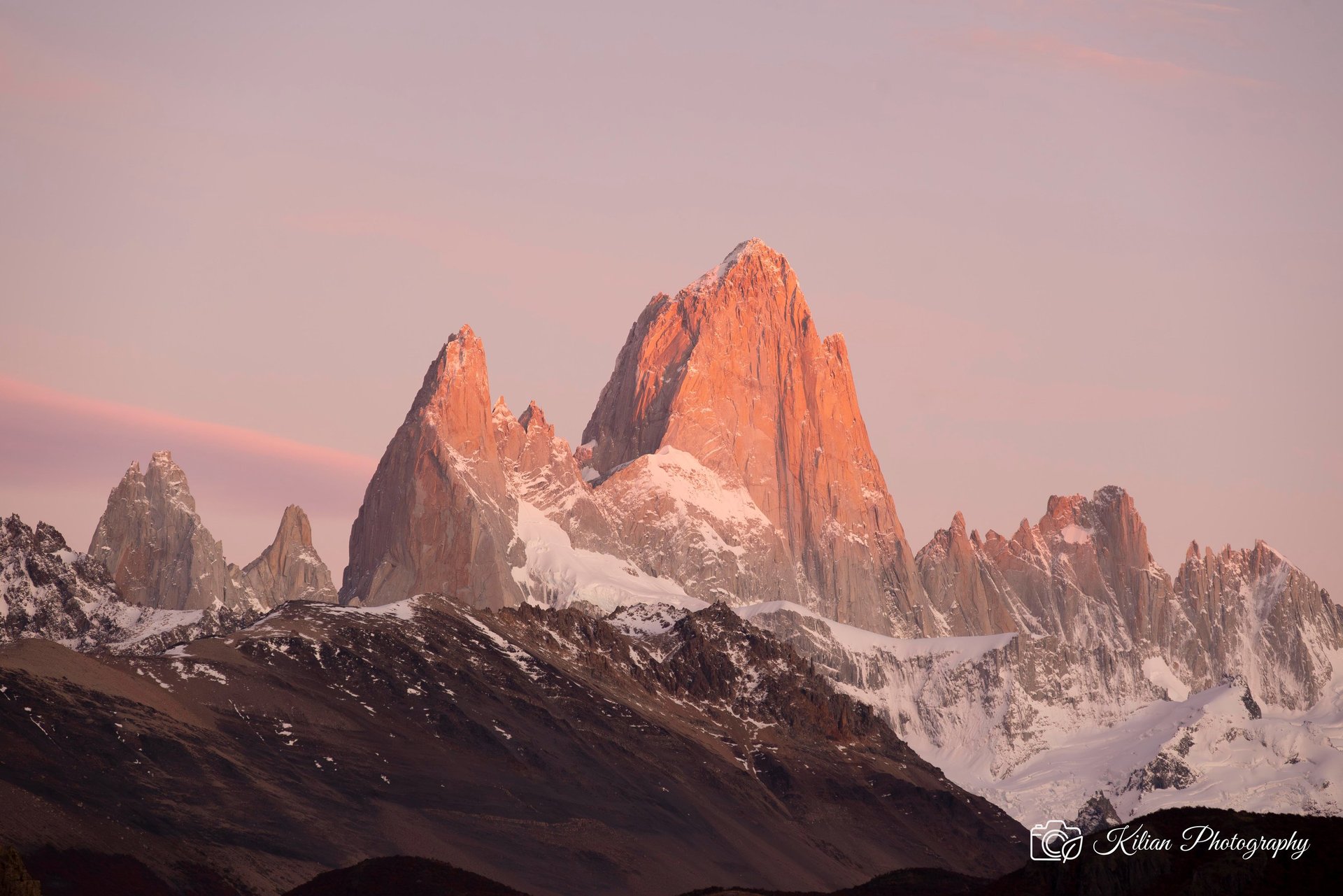
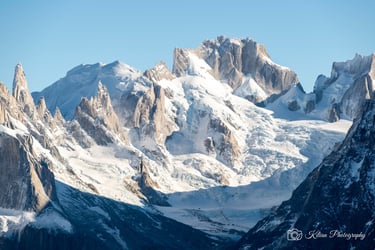
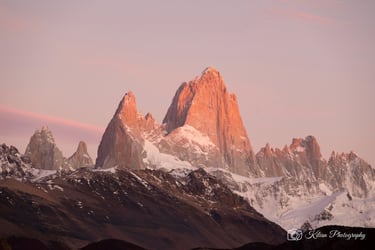
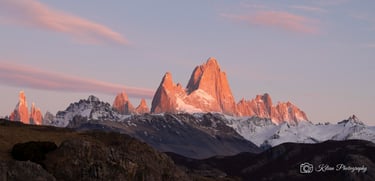
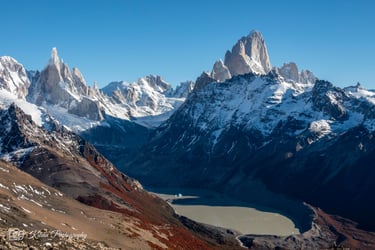
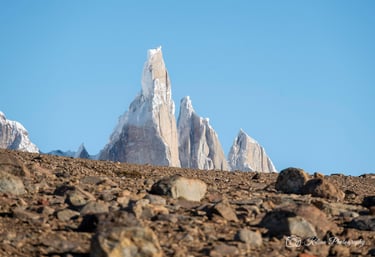
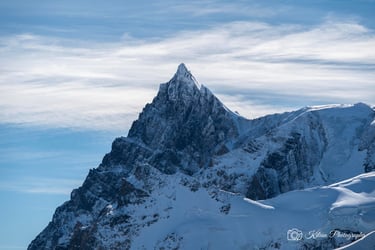
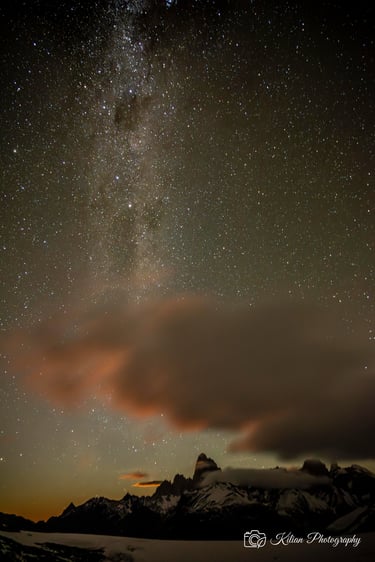
In the world of wind and water, the rocks do not stand a chance to the power of erosion creating astonishing, almost vertical peaks. There is no need to name these well known mountains but here they are, born from the power of the elements: Fitz Roy, Cerro Torre, and Torres del Paine... enjoy the ride...
El Chaltèn
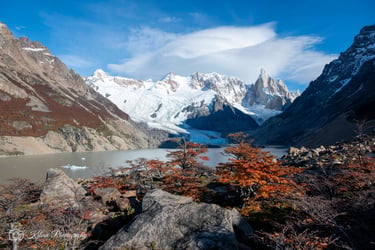
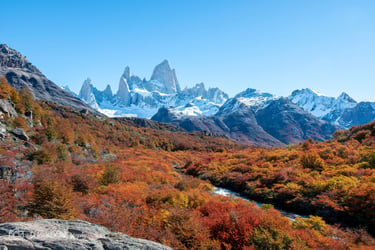
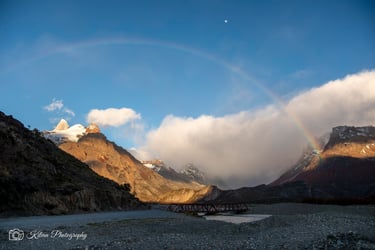
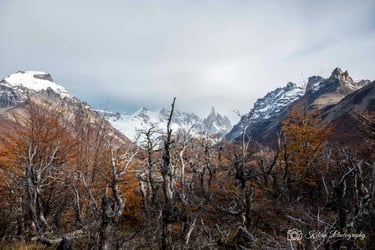
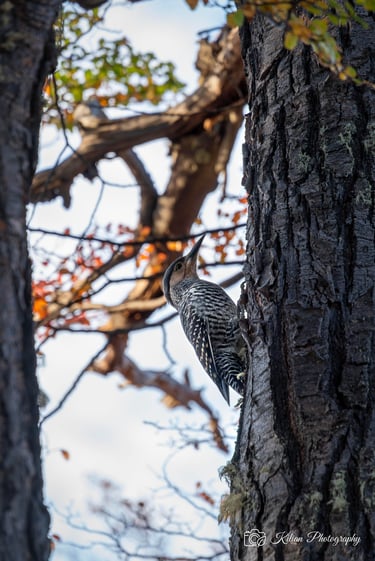
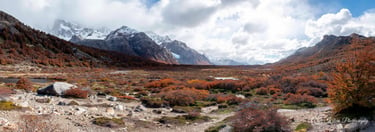
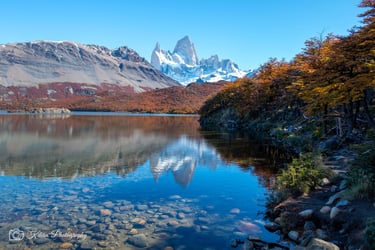
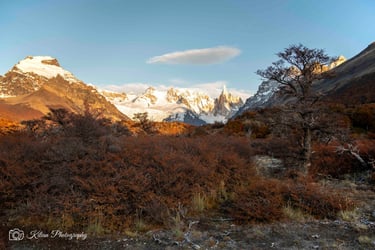
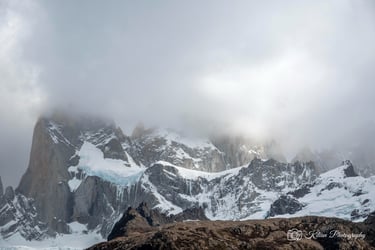
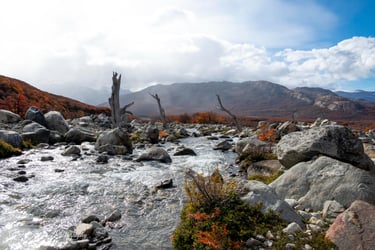
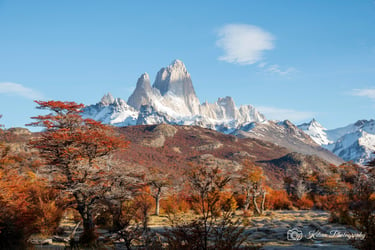
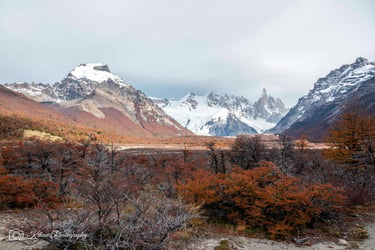
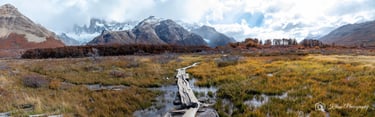
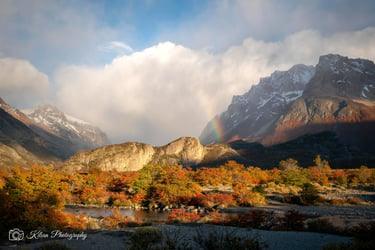
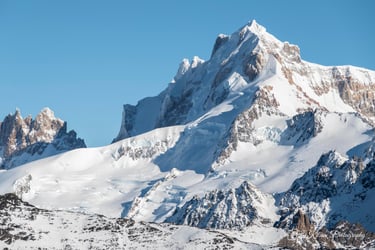
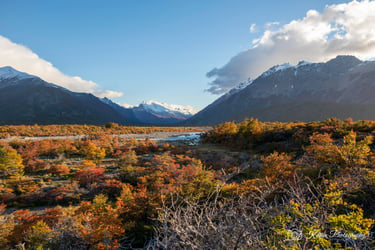
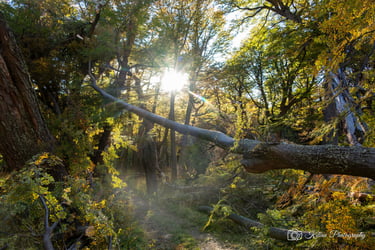
Home of the Fitz Roy, Cerro Torre and the north part of the southern patagonian ice field (Hielo Continental Sur). The fall colors of April are short, in 14 days all the threes have lost their orange splendor. It is a short, but beautiful scenery.
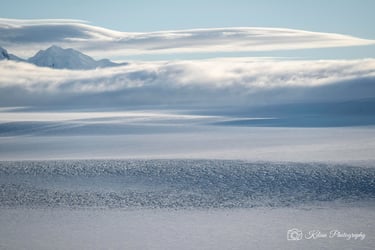
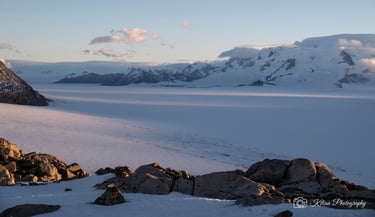
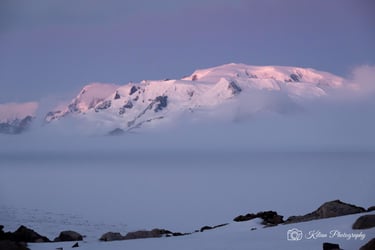
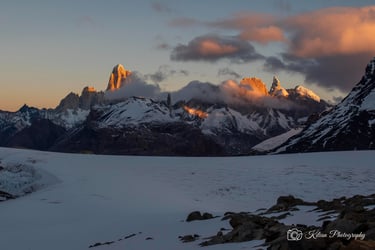
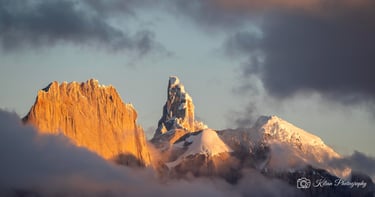

Hielo Continental Sur
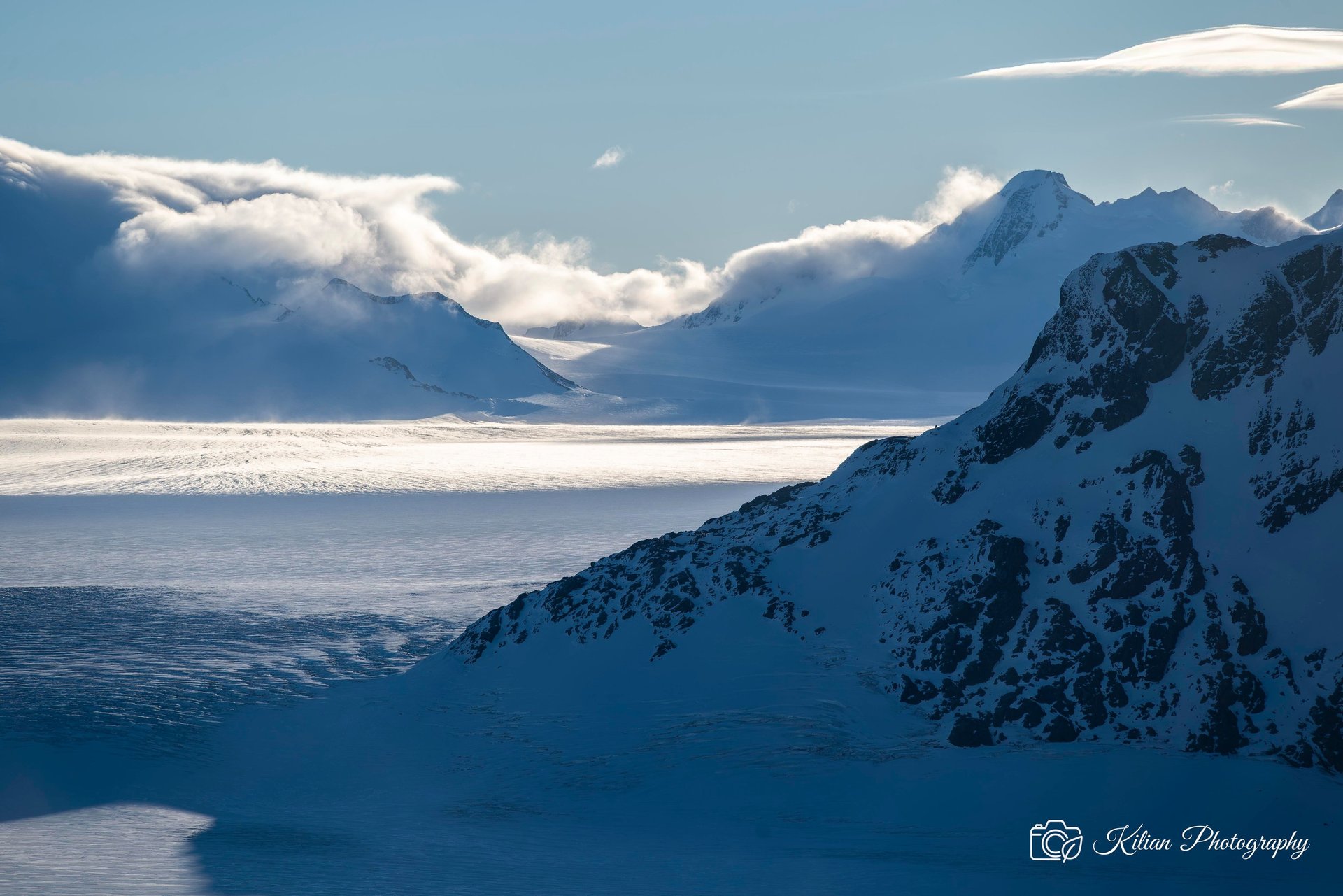
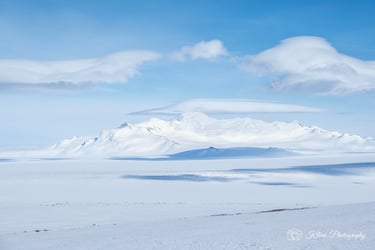
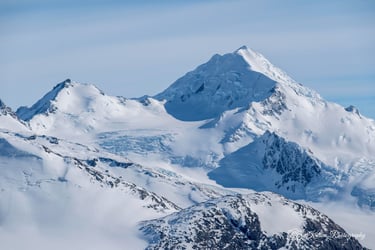
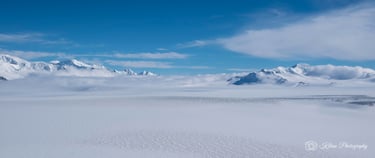
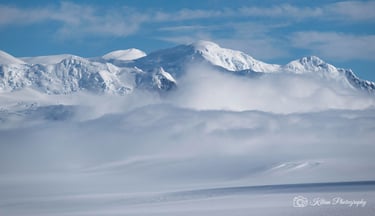
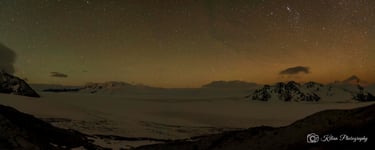
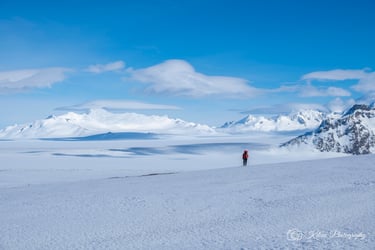
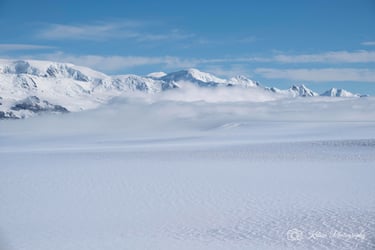
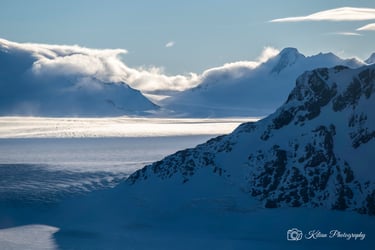
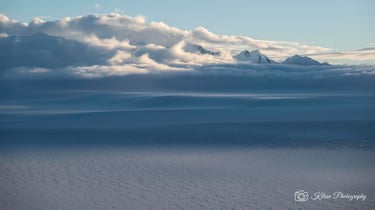
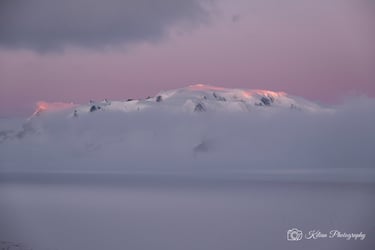
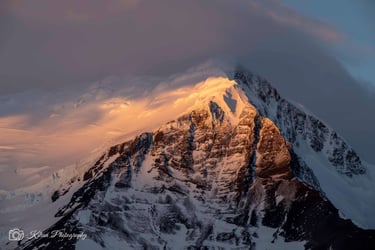
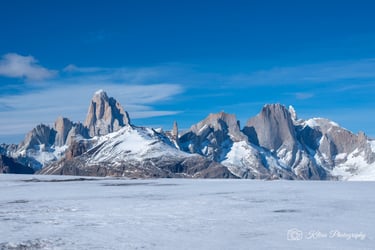
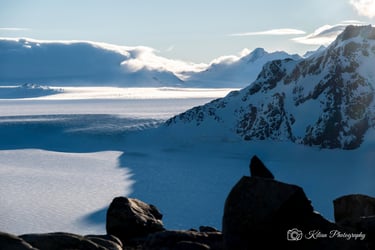
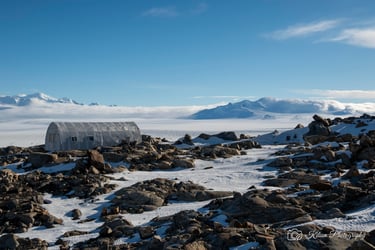
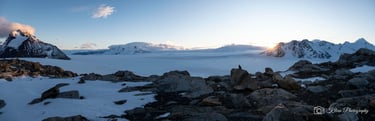
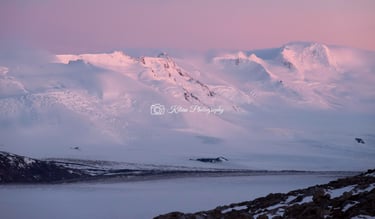
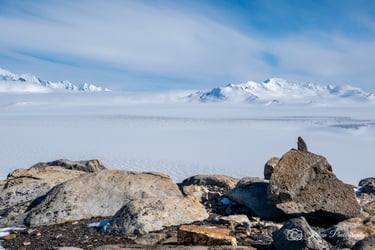
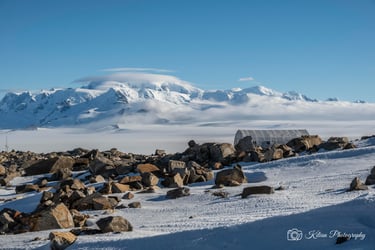
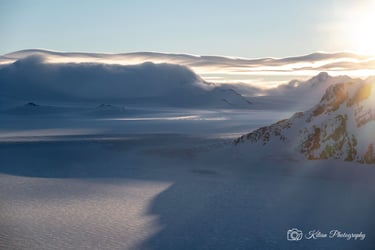
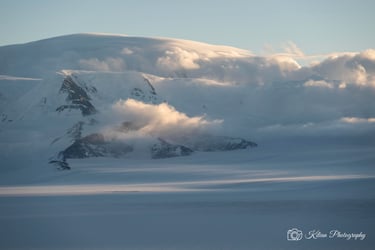
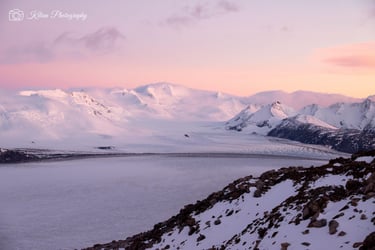
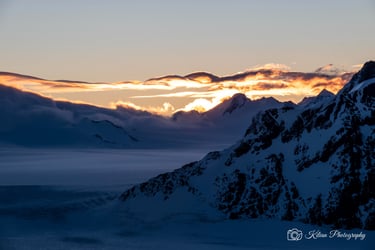
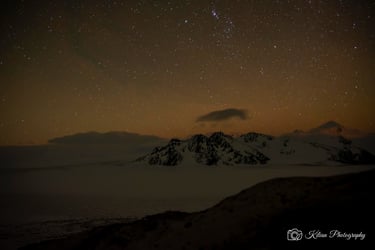
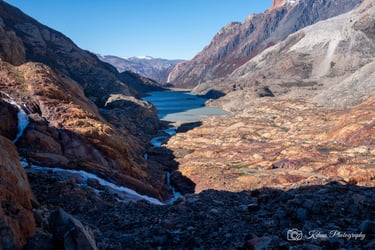
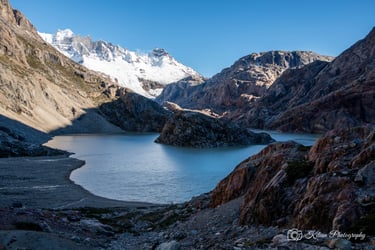
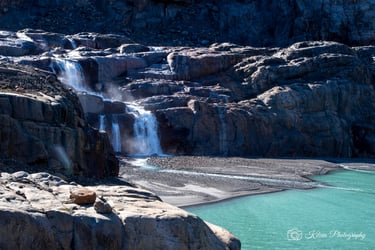
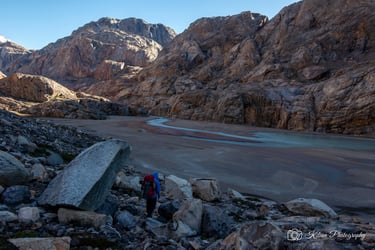
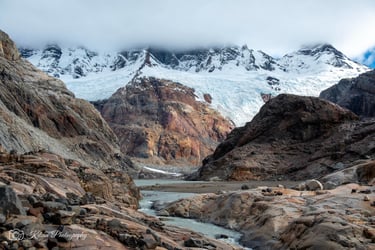
Arriving on the ice field through the Rio Electrico and climbing to the paso Marconi. This is a 4 days trek up and down in order to arrive at the entrance of the South patagonian ice field. If you are fast, the trek can be done in 3 days but staying 1 more day at the ice field to look at the colours changing on the ice as the day passes is a wonderful moment, almost hypnotic. This is probably the most amazing view I saw so far as some picture are my personal favorites. Nothingness as far as the eye can see...
Along the Rio Electrico
The Southern patagonian Ice Field
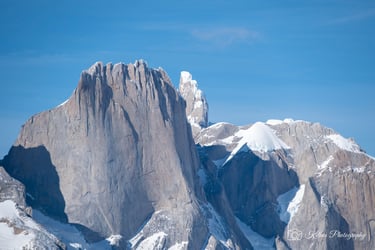
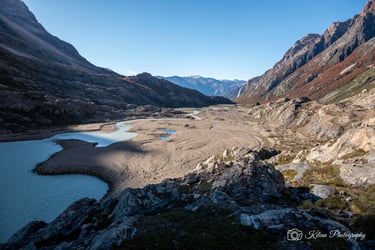
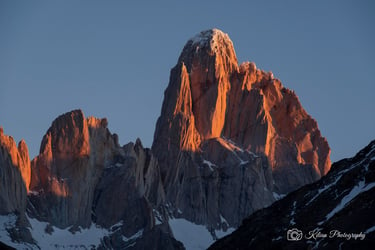
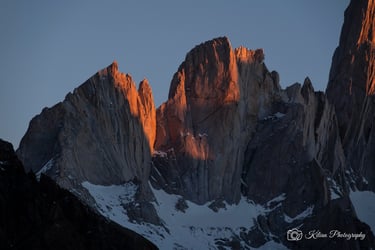
The Rio electrico Valley is the entrance gate to the paso marconi. At the start of the hike, the weather was fierce and I got to see beautiful rainbows as the rains coming from the north west illuminated by the sun from the east gave beautiful rainbows. As the hike went further to the end of the valley, the rio electrico transformed into lago electrico: water coming directly from the Ice field. As we looked back, the north face of the Fitz Roy rises above the valley in a 1'800m near vertical rock face.
On day 2, the climb got more difficult as the glacier entrance approached. After many crevasses, we arrived on the ice field through the paso Marconi. This is probably the most amazing view I saw so far as some of these pictures are my personal favorites.
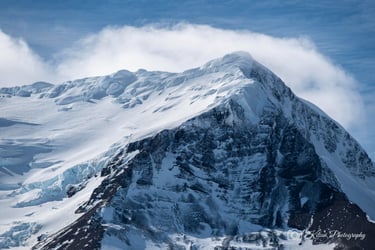
As we look back, the Fitz Roy and the Cerro Torre rise above us. In front, the majestic Cerro Mariano Moreno and in the back, the Lautaro volcano.
The more I hike, the more I learn: taking your time in the mountains gives you a better understanding and awareness of the place you are in. The guide and I were alone for 4 days, and on the ice field there was no human sounds, only wind and stillness. Beautiful.
Again, I was pretty lucky to have had 4 clear days with almost no clouds. Thus, the photographies taken of the ice field are quite unique !


El Calafate
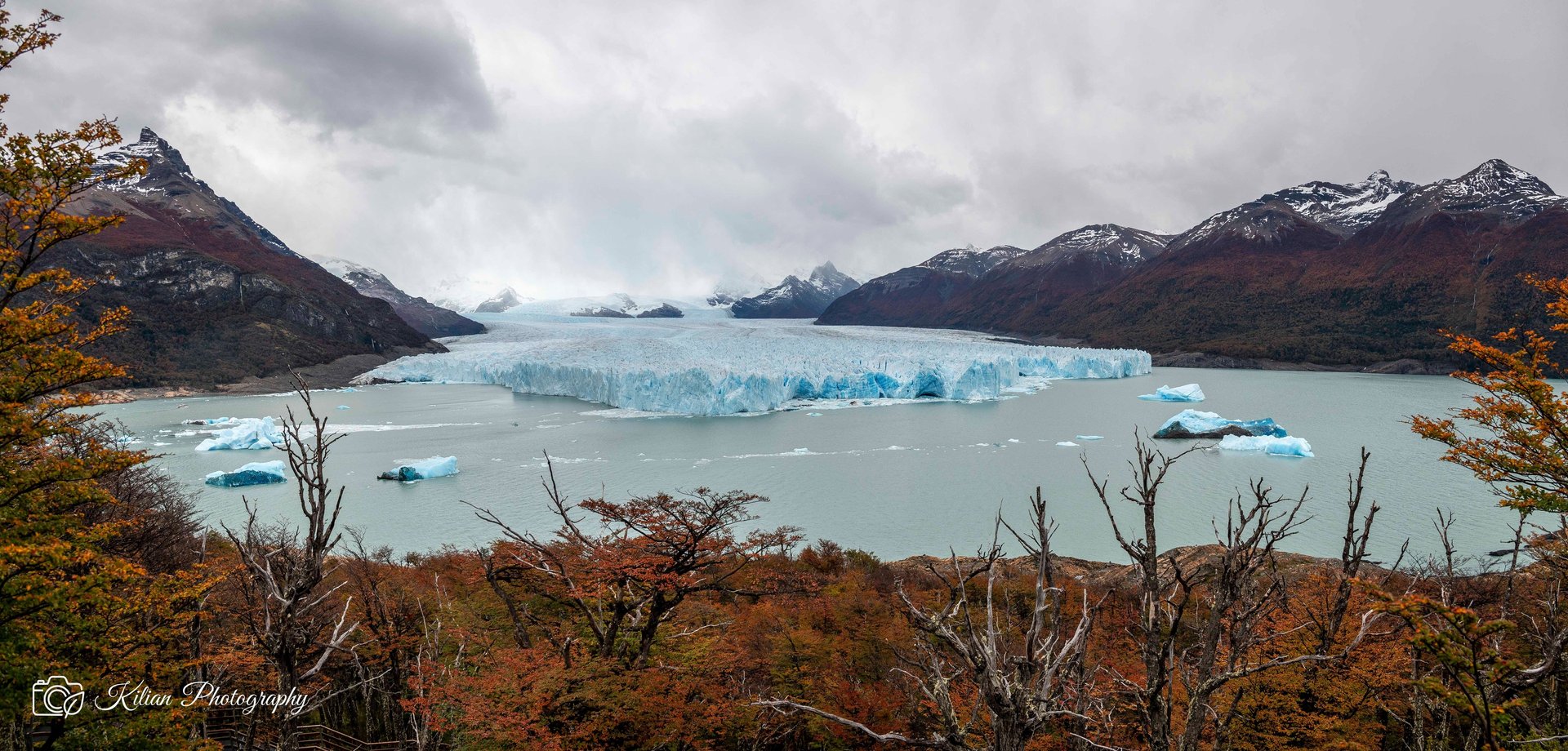
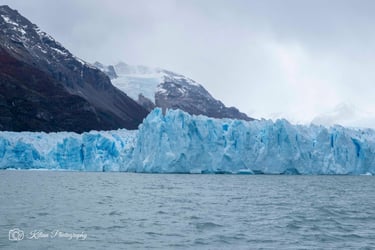
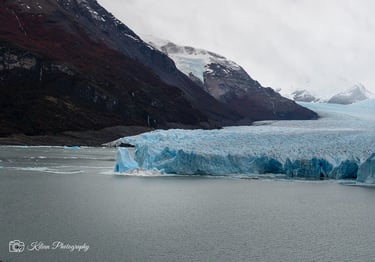
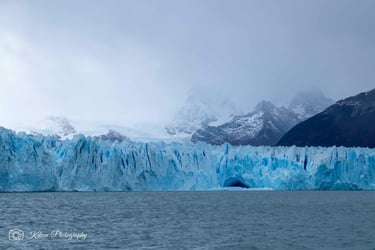
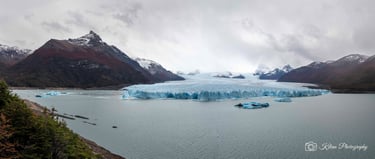
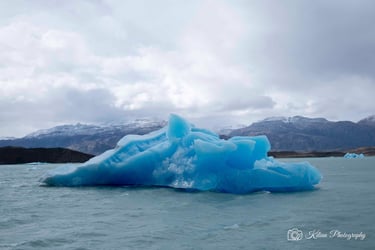
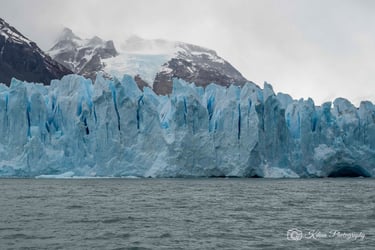
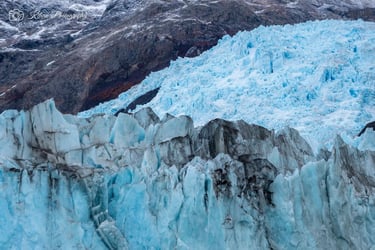
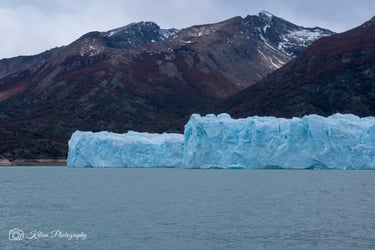
El Calafate is the entrance to Patagonia. Up north, El Chaltèn. South, Chile and Torres del Paine. Near El Calafate is the most known glacier of all times: The Perito Moreno. Unfortunately for him, he recieded almost 300m in 3 years and does not look like it's going to advance again... another climate change issue.
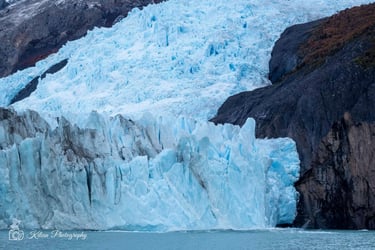
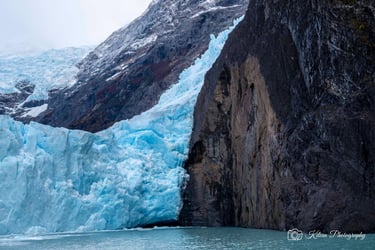
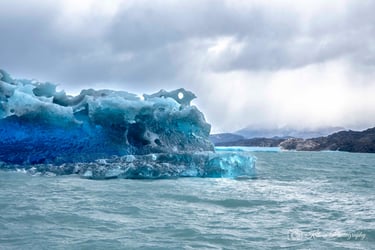
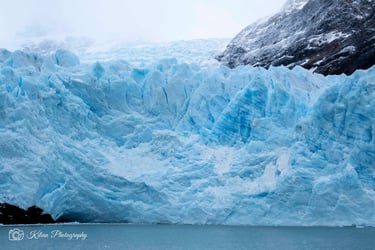
On the Lake Argentino near El Calafate, the option to take the boat to see the Spegazzini glacier is also impressive, a 100m vertical ice wall falling in the fjord lake.
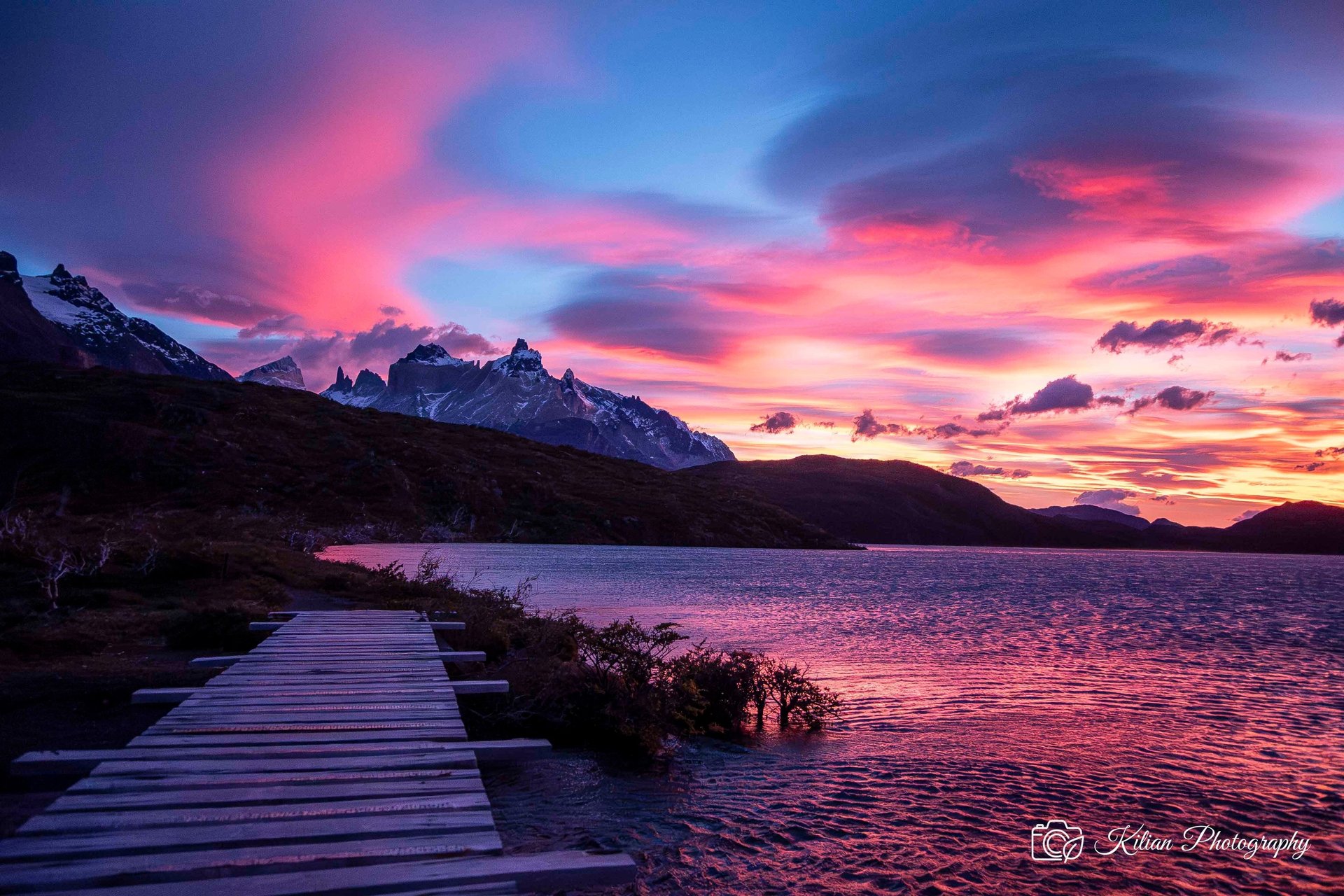
Torres del Paine
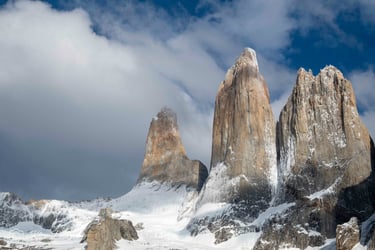
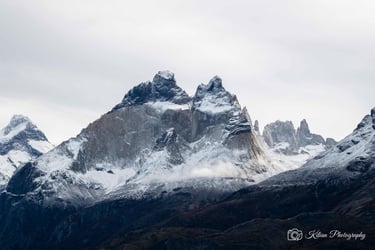
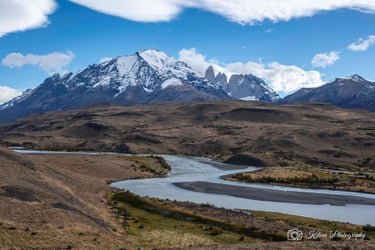
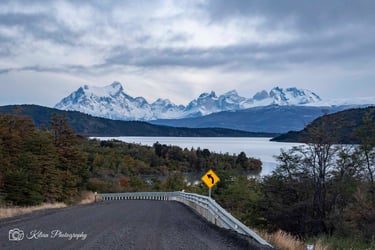
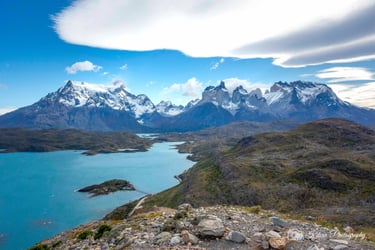
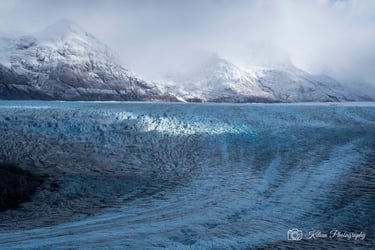
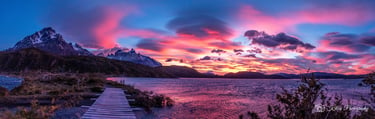
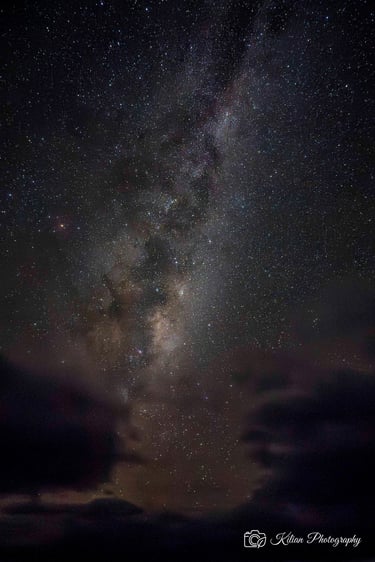
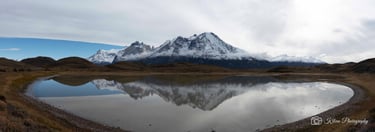
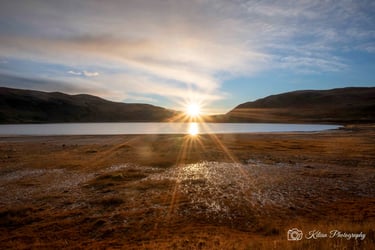
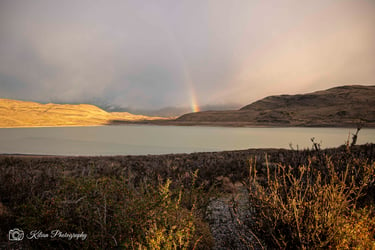
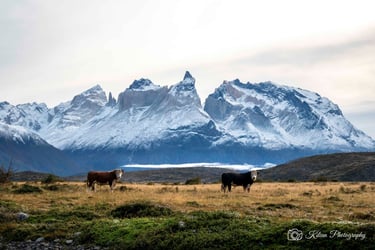
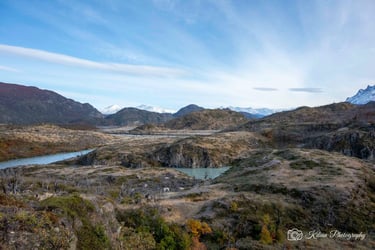
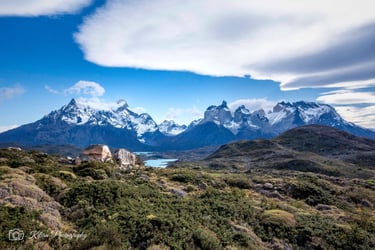
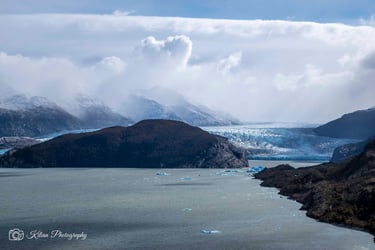
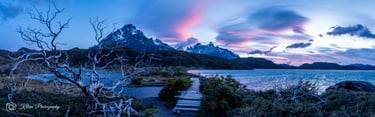
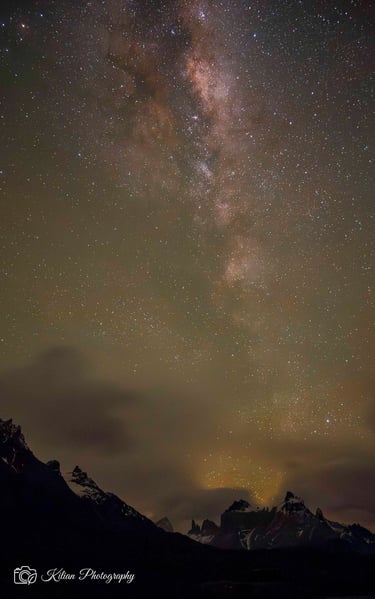
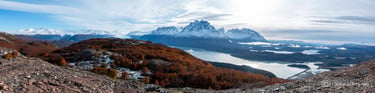
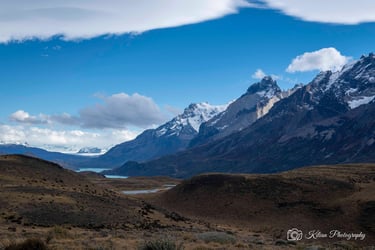
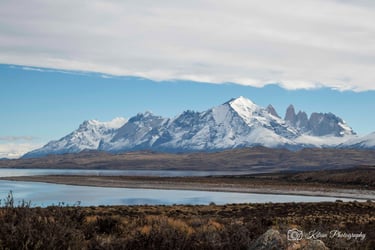
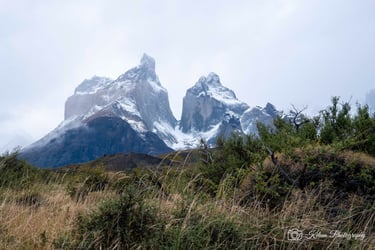
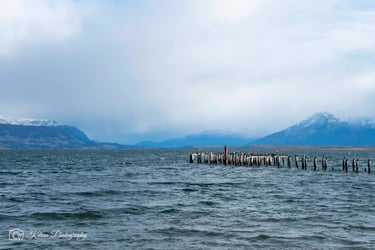
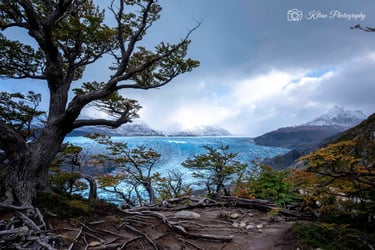
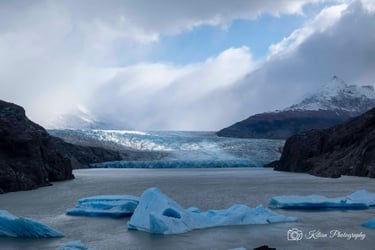
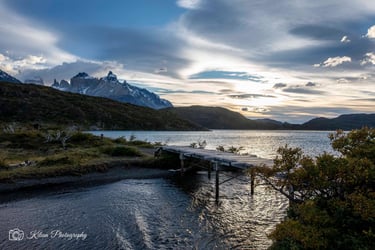
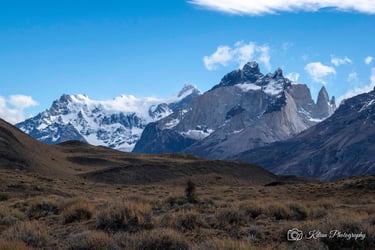
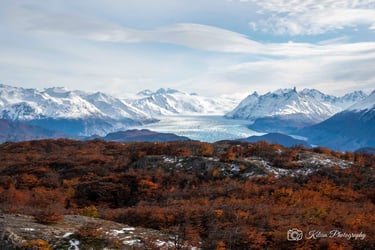
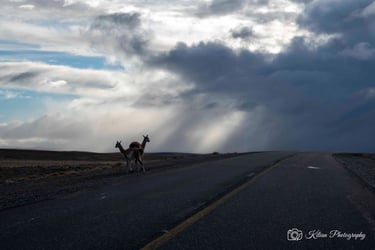
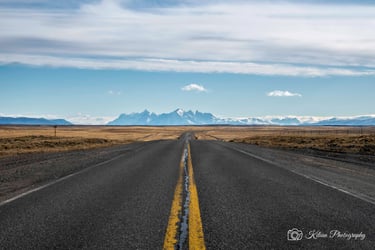
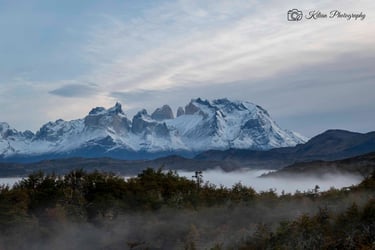
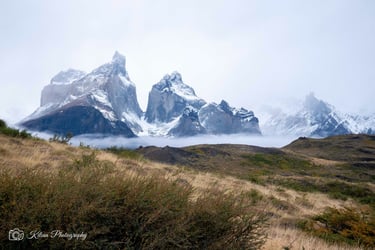
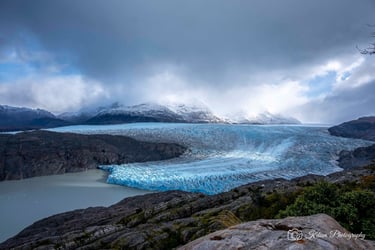
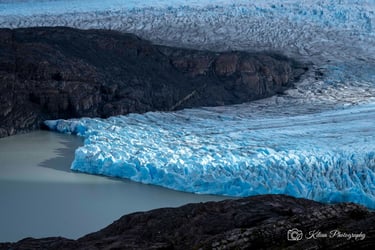
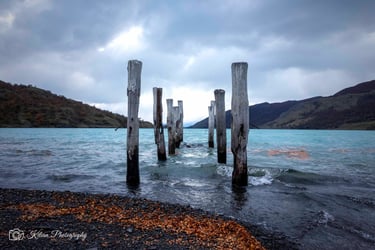
Chile. The Torres del Paine National Parc is also one of the most beautiful landscapes I have ever seen. This mountain range is ridiculousely photogenic. Sheer rock faces, turquoise lakes, glaciers. What do you want more? Oh yes, sometimes Pumas (even if I did not see any).
Every picture displayed on the website can be printed in poster, framed, or as a canvas
For any inquiries or orders, please contact me here:
Kilian@kilianblaisephotographie.com
© Kilian Blaise 2025. All rights reserved.